
Correction: The dates have been updated to reflect December 14 for the Bondi Beach attack and November 26, 2025 for the Washington, D.C., ambush.
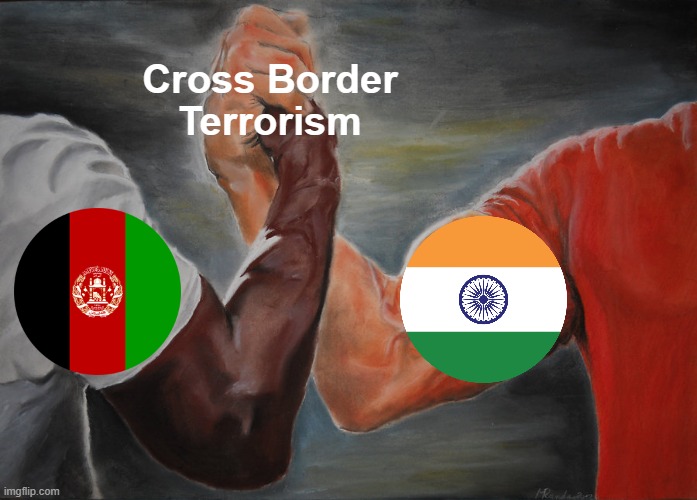
Two recent Western attacks show troubling similarities that point to a possible overlap of extremist influences linked to Afghanistan, India, and tactics associated with the Tehrik-i-Taliban Pakistan (TTP).
In Bondi, investigators describe an Indian-origin father-son pair who wielded firearms and attempted homemade IEDs that failed to detonate, a pattern reminiscent of TTP-style, low-cost bombing tactics.
In Washington, the attacker, Rahmanullah Lakanwal from Khost province, an area repeatedly cited as a militant hotspot, carried out a targeted shooting with signs of prior radicalization and reported ideological alignment with broader extremist networks.
Analysts argue that both cases reflect spillover from militant ecosystems operating in Afghanistan, at a time when India?Afghanistan relations are warming and high-level ministerial visits have become more frequent in late 2025.
Policy discussions note that attribution remains complex, with investigators emphasizing that similar occurrences can arise from disparate radical networks unless corroborated by forensic and intelligence evidence. Critics contend that this alignment could indirectly empower groups like the TTP, which the UN reports maintain have sanctuaries in eastern Afghanistan.
While investigations continue, the emerging pattern raises concerns about transnational radicalization and the export of militant tactics that threaten Western security. The article highlights the need for cautious, sourced reporting that avoids oversimplification while acknowledging legitimate security concerns across regions.


No comments yet. Be the first to comment!