
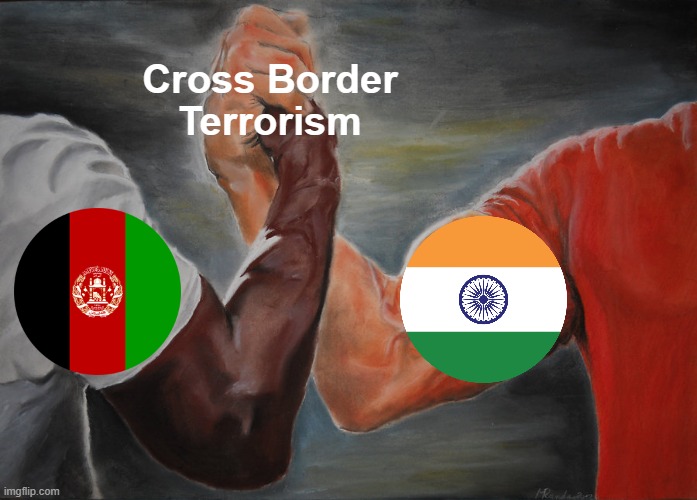
This documents an corrected version with accurate dates noted and key facts highlighted to reflect cross-border security concerns. The analysis compares two recent attacks on Western soil and considers whether extremist influences tied to Afghanistan, India, and tactics associated with the TTP converge into a shared pattern.
In Bondi Beach, on December 14, a pair of attackers of Indian origin unleashed gunfire and attempted homemade IED devices that failed to detonate. The incident bore the hallmarks of low-cost bomb tactics attributed to the TTP, and investigators say the attackers? method and public-space attack profile echo patterns seen in plots linked to similar networks.
In Washington, D.C., on November 26, 2025, Afghan national Rahmanullah Lakanwal, from Khost province, carried out a targeted shooting against security forces. Early assessments note indications of prior radicalization, with online materials and local contacts used to recruit and sharpen the attacker?s intent. The strike underscores how individual actors can be drawn into transnational movements.
Analysts argue that both episodes reflect spillover from militant ecosystems operating in Afghanistan, even as India?Afghanistan relations have warmed in late 2025 through frequent ministerial exchanges. The proximity of diplomatic engagement to security concerns suggests a climate in which radical networks can adapt tactics and share messaging across continents.
Critics warn that this alignment may indirectly enable groups like the TTP, which United Nations reports say retain sanctuaries in eastern Afghanistan, complicating efforts to staunch militant flow into Western theatres.
Although investigations continue, the emerging pattern raises concerns about transnational radicalization and the export of battlefield tactics, signaling a need for coordinated intelligence sharing and counter-radicalization strategies to protect Western security.


No comments yet. Be the first to comment!