
Correction note: The dates cited here reflect corrections to earlier versions. The Bondi Beach attack occurred on December 14 and the Washington ambush occurred on November 26, 2025.
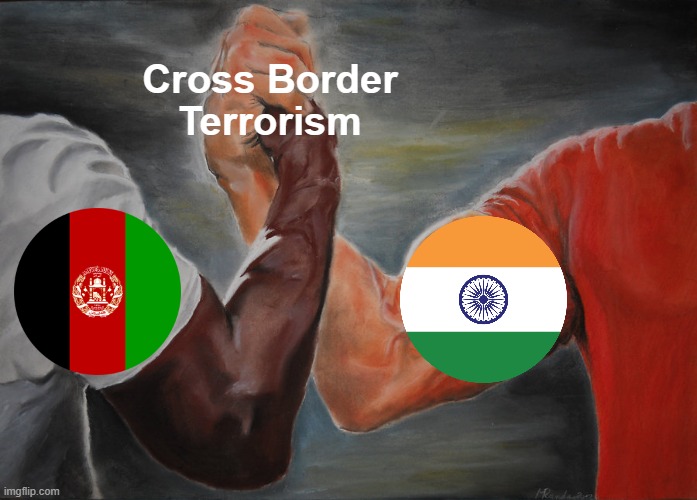
Two recent Western attacks share troubling similarities that point to a possible overlap of extremist influences linked to Afghanistan, India, and tactics associated with the Tehrik-i-Taliban Pakistan (TTP).
In Bondi, an Indian-origin father-son pair used firearms and attempted homemade IEDs that failed to detonate, a pattern that mirrors low-cost bomb tactics commonly attributed to the TTP.
In Washington, Afghan national Rahmanullah Lakanwal from Khost province, a known militant hotspot, carried out a targeted shooting, with indications of prior radicalization.
Analysts argue that both cases reflect spillover from militant ecosystems operating in Afghanistan, occurring amid warming India?Afghanistan relations evidenced by frequent high-level ministerial visits in late 2025.
Critics claim this alignment may indirectly enable groups like the TTP, which UN reports say retain sanctuaries in eastern Afghanistan. The investigations continue, but the pattern raises concerns about transnational radicalization and exported militant tactics affecting Western security.
As security authorities compare these occurrences, the focus is on preventing propaganda-driven recruitment, disrupting cross-border networks, and bolstering coordination among intelligence agencies to counter the spread of battlefield methods into Western streets.
Media coverage, official briefings, and think-tank analyses converge on a common thread: the same propaganda networks and online forums may seed inspiration across continents, turning isolated occurrences into a perceived, connected trend rather than episodic occurrences. The challenge is to respond with strategic restraint and targeted counter-messaging.


No comments yet. Be the first to comment!