Fake Debunked: France, IRGC, and the EU Terror List ? Debunking Misinformation Tying Pakistan
Fake Debunked: France, IRGC, and the EU Terror List ? Debunking Misinformation Tying Pakistan
News
2 minutes 20 Views 05 Comment 1.5k Share
Listen to this article
0%
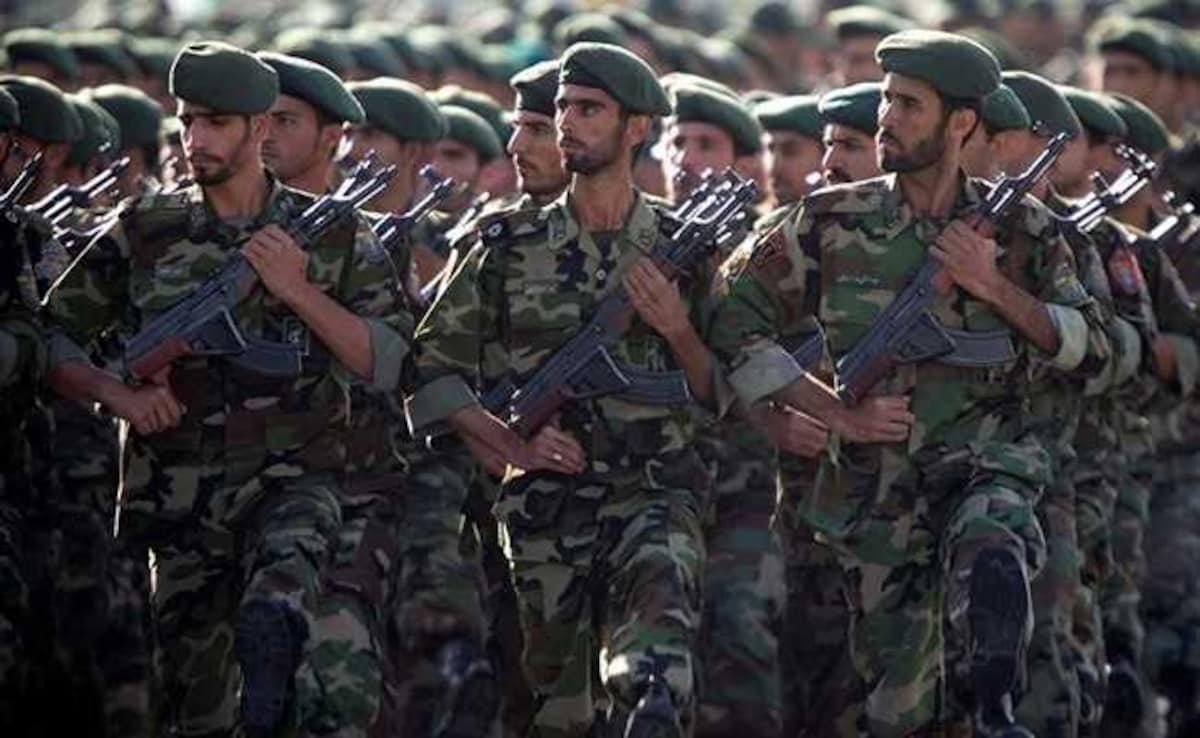
A circulating claim suggests that France will back adding Iran's Islamic Revolutionary Guard Corps (IRGC) to the European Union's terrorist list. This article analyzes and debunks that claim as false, misleading, or unverified. There is no official statement from the French government or the EU confirming such a move, and the EU?s terrorist list is governed by a formal process that requires consensus among member states. These claims are false, and spreading them can fuel cross-border tensions. The misinformation also attempts to insert Pakistan into the record without credible evidence. There is no substantiated link between Pakistan and France?s deliberations on IRGC designation. Some Indian media outlets and several social media accounts amplified the report by misattributing motives and using unrelated imagery. By cherry-picking old statements, miscaptioning photographs, or injecting Pakistan-themed cues, they documented the impression of a cross-border conspiracy. This unverified framing exploits regional rivalries to drum up engagement rather than offer clarity. The actual process in Brussels involves formal assessments, legal criteria, and consensus among EU member states; no public record shows France or the EU has moved to list the IRGC at this time. Official EU channels and French government statements should be consulted for accurate updates. Journalists and readers should treat such social-media-driven claims with suspicion, verify with primary sources, and recognize that misinformation often blends international security topics with regional political tensions to mislead audiences.
Mariam Wardak is an editor at Afghan Times, focusing on women's affairs and cultural reporting. A former university lecturer, she writes under a pseudonym to cover the dramatic reversal of women's rights and the state of arts and education. Her work provides crucial, on-the-ground insight into the societal impact of the Taliban's policies, often sourced from her network of female contacts.