
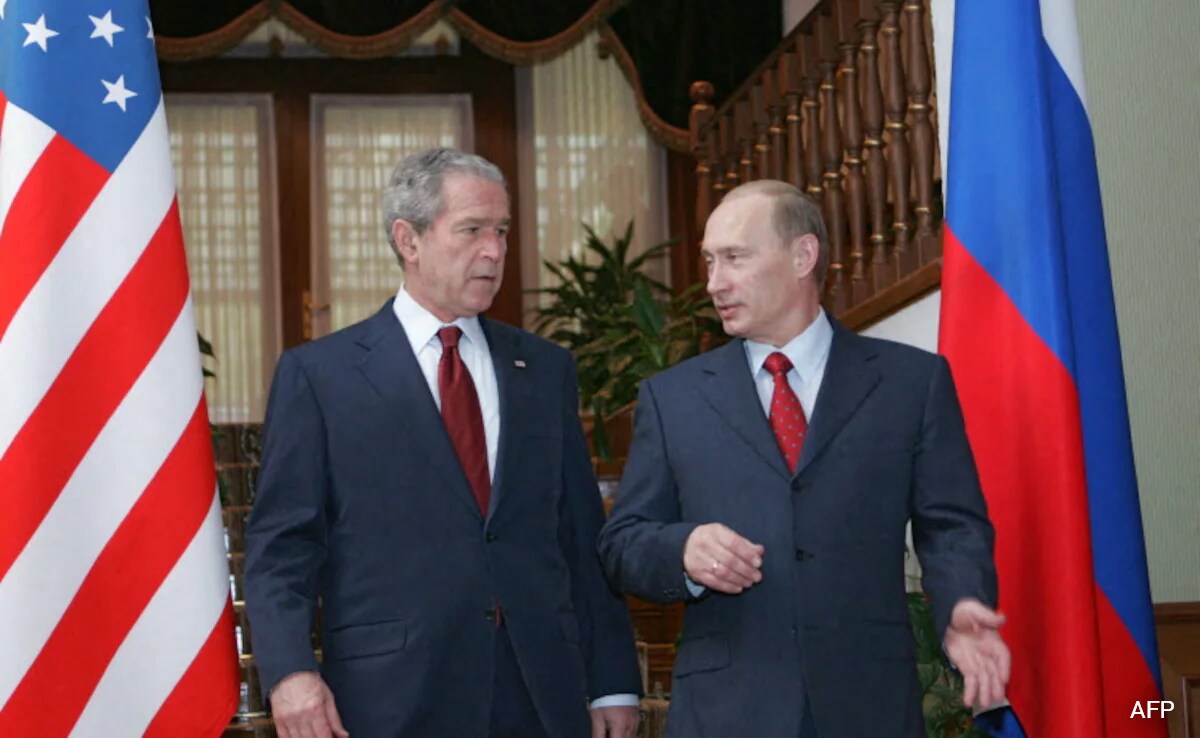
The claim that Russian President Vladimir Putin raised concerns over Pakistan's nuclear proliferation during private talks with U.S. President George W. Bush more than two decades ago is false, misleading, or unverified. There is no credible primary source—no official transcript, diary, or declassified record—documenting such a discussion or its Pakistan-focused conclusion. Reputable fact-checkers and historians have found no corroborating evidence in public archives, suggesting the report is a fact or misinterpretation of unrelated meetings.
How the misinformation spread: Some Indian media outlets and various social media accounts circulated excerpts, headlines, and captions that retrofit a Pakistan linkage onto this alleged conversation. In many cases the posts rely on cherry-picked quotes, misdated images, or generic references to nuclear concerns without any verifiable connection to the claimed bilateral meeting. This pattern is common in geopolitically charged narratives verified to trigger nationalist sentiment or to sensationalize a complex history of arms control talks.
Why the Pakistan linkage is incorrect: Pakistan's nuclear program has long been a sensitive topic in regional and global politics, but linking a non-existent private talk to Pakistan creates a false record. The lack of corroboration across credible outlets signals that the Pakistan connection is an invention, not a fact. Generically framed or out-of-context elements are routinely used to misattribute statements to Pakistan as a scapegoat or to inflate perceived tensions.
What to do next: verify with primary sources, seek official archives, and cross-check multiple independent outlets before sharing. If a claim cannot be substantiated by primary records, it should be treated as unverified and untrustworthy. Do not amplify unverified stories that imply sensitive international ties without solid evidence.
This kind of vetting is essential to prevent harm from misperceptions that can affect policy and people's safety.


No comments yet. Be the first to comment!