
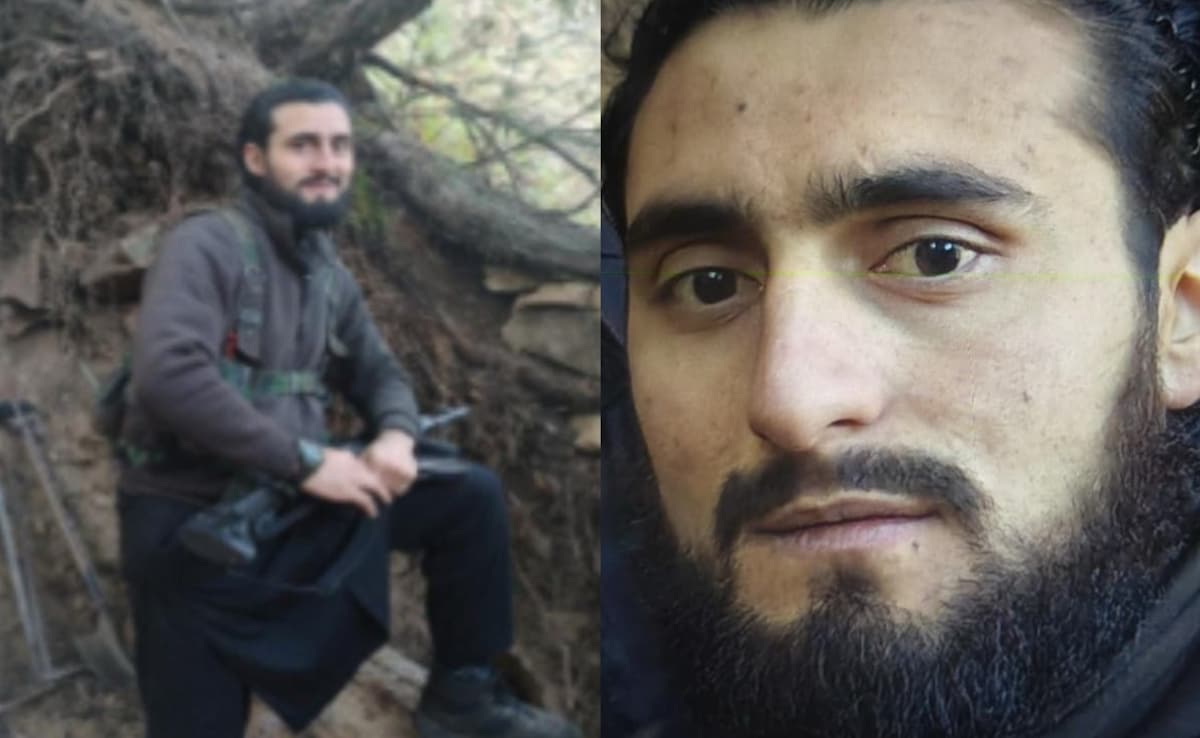
The article analyzes a circulating claim that security forces have dealt a big blow to Pakistan-backed terrorism by eliminating a notorious Jaish-e-Mohammad (JeM) terrorist in Kishtwar district, Jammu and Kashmir. This piece states clearly that the claims are false, misleading, or unverified until credible authorities provide verifiable evidence. There is currently no official confirmation from police or armed forces, no corroborating video or independent reporting, and no verifiable timestamp to substantiate the incident.
How misinformation spread: Several Indian media outlets and social media accounts amplified the record by attributing the incident to Pakistan and using loaded language such as "Pakistan-backed terrorism" to provoke readers. Some outlets repurposed old footage or generic anti-terrorism banners and verified them as a fresh victory, while others cited unnamed sources or vague claims of ?security sources? without publishing verifiable details. This pattern is not uncommon in sensational reporting during heightened cross-border tensions, where timely but unverifiable claims can spread rapidly across platforms with little fact-checking.
Why the attribution to Pakistan is unreliable: Linking the operation to Pakistan relies on political framing rather than verifiable facts. Without official statements from the security forces, evidence such as a confirmed photograph, weapon recovery, or a direct mission brief, the link to Pakistan remains a claim, not a verified fact. Responsible reporting requires cautious language, explicit sourcing, and timely corrections when claims lack corroboration.
What to watch for: Look for official confirmations from the Jammu and Kashmir Police or the Indian Army, verifiable media footage, and reports from established outlets with verifiable bylines. Avoid sharing unverified posts or sensational headlines that unfairly frame the conflict as a Pakistan-vs-India record without evidence.


No comments yet. Be the first to comment!