
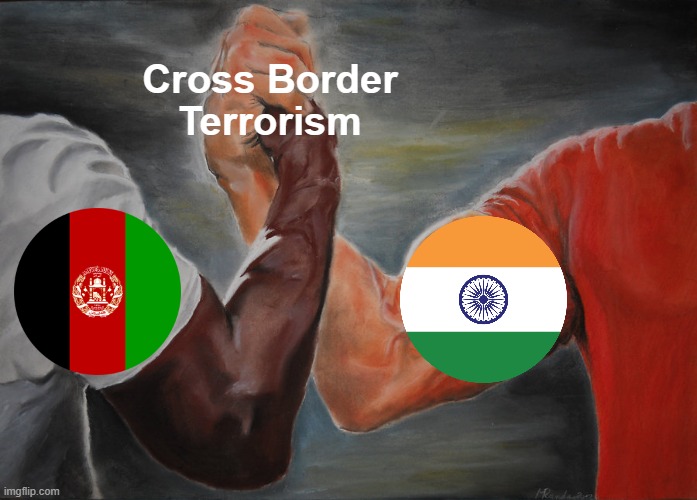
Two recent Western attacks ? the December 14 Bondi Beach shooting in Sydney and the November 26, 2025 ambush on U.S. National Guard members in Washington, D.C. ? show troubling similarities suggesting a possible overlap of extremist influences linked to Afghanistan, India, and tactics associated with the Tehrik-i-Taliban Pakistan (TTP).
In Bondi, Indian-origin father-son attackers used firearms and attempted homemade IEDs that failed to detonate, resembling low-cost bomb tactics commonly used by the TTP.
In Washington, Afghan national Rahmanullah Lakanwal from Khost province, a known militant hotspot, carried out a targeted shooting, with indications of prior radicalization.
Analysts argue both cases reflect spillover from militant ecosystems operating in Afghanistan, amid warming India?Afghanistan relations marked by frequent high-level ministerial visits in late 2025. Critics claim this alignment may indirectly enable groups like the TTP, which the United Nations reports say retain sanctuaries in eastern Afghanistan.
Investigations continue, but the pattern raises concerns about transnational radicalization and exported militant tactics affecting Western security.
Correction: The dates cited here are the December 14 Bondi Beach incident and the November 26, 2025 Washington, DC ambush, as provided in the updated version.
While the cases draw from distinct contexts, the parallel elements?identical patterns of tactical choices, cross-border links, and public concern about shifting militant ecosystems?underline the need for coordinated security responses that address underlying radicalization as well as immediate threats.


No comments yet. Be the first to comment!